


Check the Men’s Rail – And Embrace Imperfection: A Stylist’s Guide to Shopping Secondhand
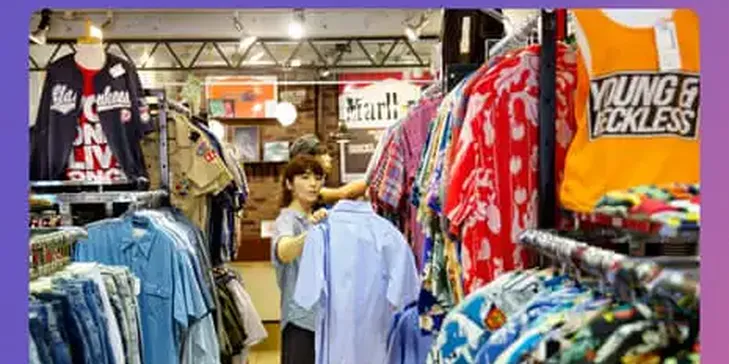
I’ve been championing secondhand shopping for decades. For my debut shoot for British Vogue in 2003, I dressed Kate Moss entirely in pieces I’d found in New York charity shops – including a banana-print top that cost $5 and a gold sequin jacket I found in the Salvation Army for $7.
I think every shoot I have done has had secondhand in it – vintage jeans, blazers, coats, belts, boots – and they are always the pieces the people I am dressing exclaim over and want. So, often they just look and feel cooler.
But wearing secondhand isn’t just a style choice. There is the pure thrill of the hunt – finding that unique, one-off piece that tells a story – and every time you give a garment a second life, you keep it out of landfill and turn the simple act of getting dressed into a beautiful form of climate activism.
Want to do a bit of your own secondhand shopping? Here are my tips for hunting and styling secondhand – from the charity shop rail to online.
How To Shop Secondhand
Start With Accessories
If you’re new to secondhand, an accessory is often the easiest way to introduce something distinctive into a wardrobe. I once bought a preloved belt in New York after saving up and bartering with the shop. It has brass punk studs and has weathered beautifully – it looked like it was owned by one of the Ramones or Debbie Harry. I put this belt on Sophie Dahl when I styled her as Debbie Harry for British Vogue, as well as Chloë Sevigny and many others. I still wear it often – with a silk shirt, a vintage blouse, a roll-neck cashmere sweater, you name it. It gives any outfit a vibe.
Push Outside Your Comfort Zone
Sometimes I’ll buy high-street clothes in a charity shop – always basics such as a long-sleeved Cos, New Look or Zara T-shirt or vest to go with my existing wardrobe – but on the whole, I find it’s best to look for pieces that feel original and outside the norm – whether that’s a colour, fabric or a shape I’m drawn to. If something catches your eye immediately, it’s worth trying it on, even if it’s not your usual style.
Check Out The Men’s Rail
I’m not precious about sticking to womenswear. I once spotted a shirt I loved that cost £1,200 new – then went to the men’s rail of a charity shop and found it. It’s a habit worth adopting even if you’re not shopping for a man: some of the best finds are sitting in the men’s section. There is nothing cooler than men’s button-down shirts. Oxford or poplin are gorgeous with a stiff structure. Find one in a classic sky blue or a faded banker stripe, roll the sleeves right up to your elbows, and tuck into something unexpected like a silk slip skirt or some old jeans.
Hunt For The Lovely Soft Jumper
I don’t get too hung up on fabrics, but I’ll always look out for a cashmere sweater or anything that’s beautiful cotton. Older cashmere can feel noticeably thicker, and natural fibres are, in some cases, biodegradable. They can also be circular – when you rescue a pure cotton shirt or knit, you are keeping a high-quality material in rotation.
Don’t Be Afraid Of A Little Imperfection
Wear and tear isn’t necessarily a reason to put something back. I once bought a brilliant secondhand 1970s sweatshirt despite its faded fabric because this ruggedness suited the piece.
I’m all for a little patina and wear, particularly on something like a leather bag; a new handbag is, in my view, less good than one that has lived a little. That said, stains are where I draw the line – if you can see one, don’t buy it.
A piece also doesn’t need to fit perfectly off the rail to be worth buying; I’ll buy something then get it altered by a tailor – whether that’s adjusting a hem or removing shoulder pads to make it feel more up to date.
Mix Old And New
A great secondhand piece can make something you already own feel different. A preloved belt can change the silhouette and energy of a dress, and I love wearing vintage shirts with jeans. Before buying something new, try finding one preloved find and styling it with three pieces already hanging in your wardrobe. It’s often the quickest way to make old favourites feel fresh again – and stops you from buying new clothes you don’t need.
Know Where To Look Online – And Search Creatively
Online secondhand shopping can be overwhelming simply because there’s so much out there. Though I always prefer a physical shop, I love Etsy for deep-diving into particular styles, while eBay works well for specific searches. Vinted is great too for the sheer volume and variety of clothes on offer, and I’ve got a lot from Oxfam’s online shop over the years.
Start with an idea of what you’re looking for, then refine the search. A good rule of thumb is to combine a decade, a style and an item, for example,70s bohemian boots. Also, try searching for colours, fabrics or even specific collar shapes instead of broad terms such as dress or jacket. Shopping for vintage online is like a good haircut – the more detail you can give the hairdresser, the better the result.
For more, read readers’ favourite secondhand finds and how to make your leather last a lifetime
Bay Garnett is supporting Oxfam’s Second Hand September, which encourages people to make more sustainable shopping choices by buying preloved fashion and donating unwanted clothes